
The electrical systems that power commercial properties operate on an entirely different level of complexity than those found in residential settings. Higher voltage demands, sophisticated panel configurations, stricter code requirements, and the financial consequences of downtime all combine to create an environment where generalist electrical knowledge is simply not enough. Businesses that treat commercial electrical work like a residential job tend to discover that distinction the hard way.
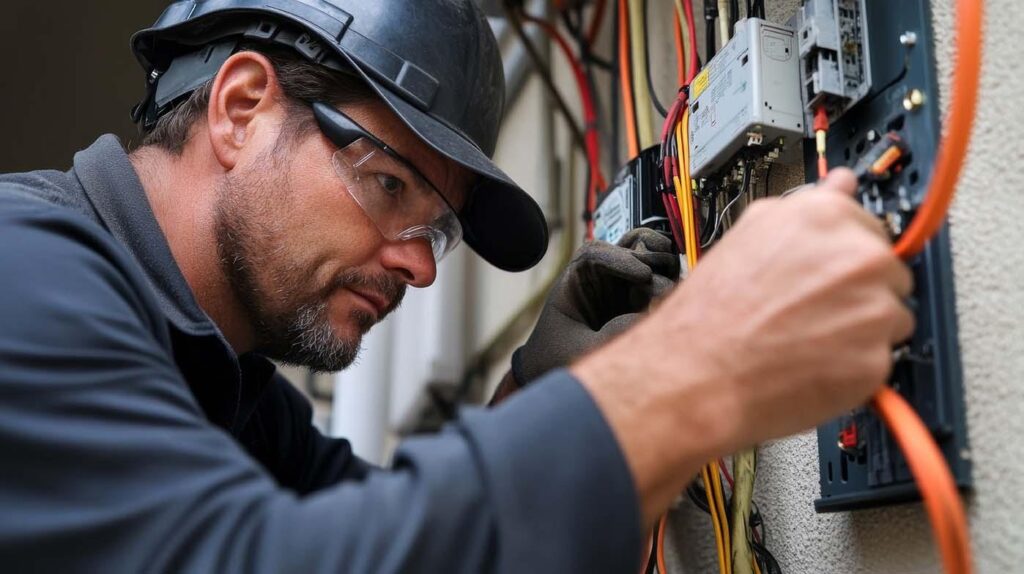
What Businesses Need to Understand Before Hiring a Commercial Electrician
The stakes involved in commercial electrical work are higher than most business owners fully appreciate until something goes wrong at a critically inconvenient moment. Companies that have built a relationship with a reliable commercial electrician Charleston SC understand that commercial electrical expertise is a specialized discipline that requires specific experience, training, and equipment to deliver safe and reliable results. Here is what sets commercial electrical work apart and why that distinction matters for your business.
Three Phase Power Systems Require Specialized Knowledge
First and foremost, most commercial and industrial properties run on three-phase power systems that deliver the higher voltage and current capacity that heavy equipment, commercial HVAC systems, and large-scale lighting installations demand. Working safely and effectively with three-phase systems requires a depth of technical knowledge and hands-on experience that goes well beyond residential electrical training.
Commercial Code Compliance Carries Significant Consequences
Furthermore, the code requirements governing commercial electrical installations are considerably more stringent than those applied to residential work, and the consequences of non-compliance extend far beyond a failed inspection. Businesses found operating with non-compliant electrical systems face fines, mandatory shutdowns, voided insurance coverage, and potential personal liability if an electrical failure causes injury or property damage.
Electrical Downtime Costs Businesses Far More Than Repairs
Another dimension of commercial electrical work that distinguishes it sharply from residential projects is the financial impact of system failures and unplanned downtime. For a homeowner, a tripped breaker or a failed outlet is an inconvenience. For a business, electrical downtime means lost revenue, disrupted operations, frustrated customers, and potentially damaged equipment or inventory.
Planned Electrical Capacity Supports Business Growth
Finally, a skilled commercial electrician brings strategic value that extends beyond fixing what is broken or installing what is immediately needed. Growing businesses have evolving electrical demands, and a commercial electrician who understands your operation can design and implement electrical infrastructure that accommodates planned expansion without requiring costly retrofits every time the business adds equipment, expands its footprint, or increases its operational capacity. This forward-thinking approach to commercial electrical planning saves businesses significant time and money over the long term while ensuring the electrical system grows reliably alongside the operation it supports.
Conclusion: What Businesses Need to Understand Before Hiring a Commercial Electrician
To wrap it all up, commercial electrical work demands a level of specialized expertise, code knowledge, and strategic thinking that general electricians are rarely equipped to provide consistently. The complexity of commercial systems, the severity of compliance consequences, the cost of downtime, and the value of forward planning all point toward the same conclusion: businesses deserve a commercial electrical specialist who understands exactly what is at stake and has the experience to deliver results that protect and support the operation for years to come.
Recent Comments