Getting Quality Treatment on Any Budget

Cost concerns stop many people from exploring tooth replacement options that could genuinely improve their daily life. Many assume quality treatment sits completely out of reach financially. That assumption often prevents people from even scheduling a consultation. Good news exists for budget conscious patients. Several paths exist toward getting this treatment without compromising on results. Here is how to find options that work for your financial situation.

Making Treatment Work for Your Budget

Worried quality tooth replacement might cost more than you can manage? Exploring affordable dental implants Raleigh NC options reveals paths that fit many different budgets. Here is where to start looking.

Mini Implants Offer a Lower Cost Path

Standard implants are not the only option available. Mini implants use a smaller diameter post, often requiring less bone and simpler placement procedures. This can reduce both surgical complexity and overall cost. They work well for certain situations, particularly stabilizing lower dentures. Discussing whether this option suits your specific case during consultation helps identify a more budget friendly path without sacrificing meaningful function or comfort.

Phased Treatment Spreads Out Costs

Patients needing multiple implants do not always have to complete everything at once. Some dentists offer phased treatment plans, addressing the most urgent needs first and completing additional work over time. This approach spreads expenses across a longer period, making the overall investment feel more manageable. Discussing this possibility openly during your consultation helps create a realistic plan that fits your current financial situation.

Financing Plans Reduce Upfront Pressure

Many practices partner with financing companies offering low or no interest payment plans for qualified patients. This transforms a large upfront expense into manageable monthly payments. Health savings accounts and flexible spending accounts also help, since they use pretax dollars toward treatment. Asking directly about available financing removes guesswork and helps you understand realistic payment structures before committing to any specific treatment plan.

Comparing Costs Against Alternatives

Looking only at upfront implant pricing misses important context. Dentures require periodic relining and eventual replacement, while bridges may need updates over time as supporting teeth weaken. Calculating total cost across many years often reveals implants delivering stronger long-term value despite higher initial investment. This broader perspective helps patients see affordability as a long-term calculation rather than just the number on day one.

Scheduling a Consultation Costs Little

Many practices offer consultations at minimal or no cost, providing real answers about your specific situation. A dentist can examine your mouth and discuss which options truly fit your needs and budget. Bring questions about financing, timelines, and material choices. This conversation removes uncertainty and often reveals more affordable paths than patients initially expected walking through the door.

Conclusion: Making Treatment Work for Your Budget

Affordable paths toward dental implants exist for patients across many different budget levels. Mini implants, phased treatment, and financing plans all offer ways to manage cost. Comparing long term value against alternatives provides helpful context. Scheduling a consultation often reveals more accessible options than patients initially assume, making quality treatment a realistic goal.
What to Expect When Hiring a Porch Contractor

Starting a home addition project can feel overwhelming without knowing what steps come next. Many homeowners are unsure how the process actually unfolds from that first phone call to final walkthrough. Understanding what happens at each stage removes much of the uncertainty. Here is a clear look at what working with a professional contractor typically involves.

A Clear Path from Idea to Finished Porch

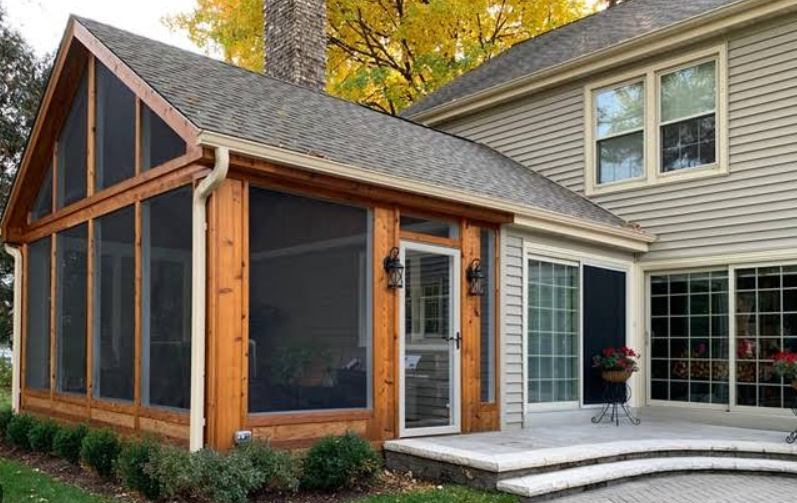
Not sure what actually happens after you decide to move forward with a porch project? Working with an experienced screen porch contractor Georgia homeowners trust makes the process straightforward from start to finish. Here is what to expect.

The Initial Consultation

Most projects start with an onsite visit where the contractor evaluates the space and discusses homeowner goals. This conversation covers budget expectations, desired features, and any structural considerations specific to the property. Bringing photos or examples of styles you like helps communicate your vision clearly. This initial meeting sets the foundation for everything that follows, so clear communication early prevents misunderstandings later in the project.

Permits and Approvals

Most screened porch additions require permits before construction can begin. Local building departments review plans to ensure compliance with codes covering structural safety and property setbacks. Experienced contractors typically handle this paperwork, saving homeowners from navigating unfamiliar bureaucracy alone. Skipping proper permitting creates risk, including fines or complications when selling the home later. A reputable contractor never suggests bypassing this important step in the process.

The Construction Timeline

Once permits get approved, actual construction typically takes a few weeks depending on size and complexity. Weather can affect scheduling, particularly during roofing and foundation phases. A detailed contract should outline expected start and completion dates. Regular updates throughout construction keep homeowners informed of progress. Asking about the contractor’s current workload helps set realistic expectations for when work will actually begin on the property.

Communication Throughout the Project

Reliable contractors provide regular updates as work progresses. This includes flagging unexpected issues, like discovering uneven ground or existing structural concerns once work begins. Open communication prevents surprises and builds trust throughout construction. Homeowners should feel comfortable asking questions at any stage. A contractor who explains decisions clearly, rather than dismissing concerns, typically delivers a smoother overall experience from beginning to end.

Final Walkthrough and Warranty Coverage

Once construction finishes, a final walkthrough allows homeowners to review the completed work closely. This is the time to address any remaining concerns before final payment. Reputable contractors stand behind their work with warranty coverage on both materials and labor. Understanding what this warranty actually covers, and for how long, protects homeowners if issues arise after the crew has already left the property.

Conclusion: A Clear Path from Idea to Finished Porch

Working with a professional porch contractor follows a predictable path from initial consultation through final walkthrough. Understanding permits, timelines, and communication expectations removes much of the uncertainty homeowners feel starting out. Warranty coverage provides added peace of mind once construction wraps up. Knowing what to expect at each stage leads to a smoother, less stressful building experience overall.

When a Dangerous Tree Affects More Than Just Your Property

Most tree emergencies feel intensely personal. A limb hanging over a roofline, a trunk leaning toward a fence, a root system pushing against a foundation wall. What homeowners sometimes overlook in these situations is that a tree threatening their property rarely stops at the property line. Neighbors, shared structures, and community relationships are all drawn into the equation the moment a failing tree sits near a boundary.

Shared Risk Demands a Swift and Professional Response

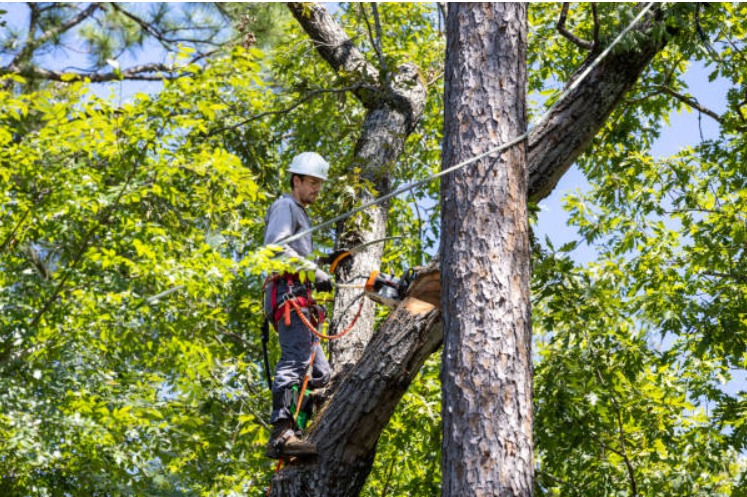
When a dangerous tree straddles a property line or threatens structures on multiple lots, the urgency doubles alongside the complexity. Families and neighbors dealing with boundary situations trust a responsive emergency tree removal Atlanta service to navigate the situation professionally, protecting everyone involved while resolving the hazard before it escalates into something far more damaging and contentious.

Property Line Trees Create Shared Responsibility and Shared Risk

To begin with, trees whose trunks originate on or near a shared property boundary occupy a legally and practically complicated position that most homeowners are unprepared to navigate without guidance. In many jurisdictions, a tree straddling a boundary line is considered shared property, meaning both neighbors have a stake in decisions about its care and removal. When that tree is declining, damaged, or structurally compromised, the shared responsibility becomes a shared liability that neither party can fully resolve through unilateral action alone.

A Falling Tree Respects No Fence Line

Furthermore, the physical reality of a large tree failure is that the debris field it creates pays no attention to where one property ends and another begins. A trunk falling in the wrong direction, a major limb dropping across a shared fence, or root upheaval that disrupts a boundary structure can cause simultaneous damage to multiple properties in a matter of seconds. Addressing a boundary tree emergency promptly and professionally is therefore an act of neighborly responsibility as much as it is an act of personal property protection.

Documentation Protects All Parties Before and After Removal

Another dimension of boundary tree situations that a professional emergency tree service handles with particular value is the documentation of conditions before any removal work begins. Photographic evidence of the tree’s visible condition, written assessment findings from a qualified arborist, and clear records of when the hazard was identified and when action was taken all serve as important protection for every party involved if insurance claims, repair disputes, or legal questions arise after the fact. 

Professional Mediation Through Action Preserves Neighbor Relations

Finally, one of the less obvious but genuinely meaningful benefits of bringing a professional emergency tree service into a boundary tree situation is the way their involvement naturally depersonalizes what could otherwise become a neighbor dispute. When an objective third party assesses the hazard, documents the findings, and executes the removal according to professional standards, the conversation between neighbors shifts from a potentially adversarial negotiation about whose tree it is and who should pay for what into a shared acknowledgment of a professional assessment and a collaborative response to a mutual problem.

Conclusion: Shared Risk Demands a Swift and Professional Response

To wrap it all up, emergency tree situations that involve shared boundaries, neighboring structures, and community relationships require the same urgency as any single-property emergency with the added dimension of protecting multiple parties simultaneously. Shared legal responsibility, the indiscriminate reach of tree failure, the protective value of documentation, and the relationship-preserving role of professional involvement all make a qualified emergency tree service the most effective resource available when a dangerous tree affects more than just one address. 

Signs of a Reputable Dentist 

Finding the right dentist can feel overwhelming, especially when your oral health is on the line. After all, you want someone who’s not only skilled, but also trustworthy and genuinely cares about your well-being. Thankfully, there are clear signs that can help you recognize a reputable dentist.  

What to Look for in a Reputable Dentist 

Let’s take a closer look at what to watch for when choosing a dentist Raleigh NC. 

Transparent Communication 

A great dentist will always take the time to explain procedures, treatment options, and costs clearly. They won’t rush you or use confusing medical jargon. Instead, they’ll answer your questions honestly and help you feel confident about your dental care decisions. 

If a dentist is vague or avoids explaining details, that’s a red flag. Trustworthy professionals know that patient education is part of providing excellent care. 

Positive Reviews and Recommendations 

One of the easiest ways to spot a reputable dentist is by checking their reviews. Look for consistent feedback about their professionalism, friendliness, and results. You can also ask friends, family, or coworkers for recommendations—they’re likely to steer you in the right direction. 

While one or two negative comments might not be a dealbreaker, a pattern of complaints should be taken seriously. Pay close attention to how the office responds to feedback as well. 

Clean, Modern Office 

When you walk into a dental office, first impressions matter. A clean, organized, and modern environment reflects how much the practice values hygiene and patient comfort. Up-to-date equipment and technology also signal that the dentist stays current with the latest advancements in care. 

If the office appears outdated or poorly maintained, you may want to keep looking. A reputable dentist takes pride in their space and the experience it provides. 

Clear Pricing and Insurance Policies 

Reliable dental offices are upfront about their pricing and how they handle insurance. Before any procedure, they should provide a treatment plan that outlines costs, payment options, and what’s covered by your insurance. 

If billing seems confusing or you’re hit with surprise fees, that’s a warning sign. Dentists with integrity want to help you make informed decisions, not leave you stressed about finances. 

Strong Credentials and Ongoing Education 

Reputable dentists are licensed, well-trained, and committed to ongoing education. They may also belong to professional organizations like the American Dental Association (ADA), which encourages high standards of care. 

Don’t hesitate to ask about a dentist’s background or certifications. A good provider will gladly share their qualifications and discuss how they stay up to date with new techniques and best practices. 

Conclusion: What to Look for in a Reputable Dentist 

Choosing the right dentist can make all the difference in your comfort and long-term oral health. From open communication to strong credentials, the signs of a reputable dentist are easy to spot when you know what to look for. Take your time, ask questions, and trust your instincts. Your smile—and your peace of mind—are worth it! 

Why Commercial Electrical Work Demands a Specialist Not a Generalist

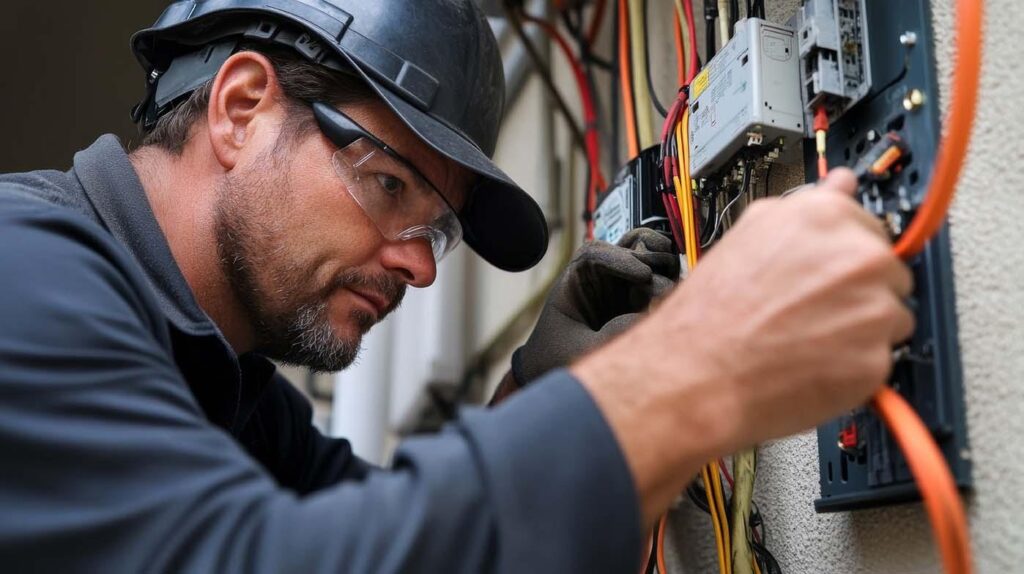
The electrical systems that power commercial properties operate on an entirely different level of complexity than those found in residential settings. Higher voltage demands, sophisticated panel configurations, stricter code requirements, and the financial consequences of downtime all combine to create an environment where generalist electrical knowledge is simply not enough. Businesses that treat commercial electrical work like a residential job tend to discover that distinction the hard way.

What Businesses Need to Understand Before Hiring a Commercial Electrician

The stakes involved in commercial electrical work are higher than most business owners fully appreciate until something goes wrong at a critically inconvenient moment. Companies that have built a relationship with a reliable commercial electrician Charleston SC understand that commercial electrical expertise is a specialized discipline that requires specific experience, training, and equipment to deliver safe and reliable results. Here is what sets commercial electrical work apart and why that distinction matters for your business.

Three Phase Power Systems Require Specialized Knowledge

First and foremost, most commercial and industrial properties run on three-phase power systems that deliver the higher voltage and current capacity that heavy equipment, commercial HVAC systems, and large-scale lighting installations demand. Working safely and effectively with three-phase systems requires a depth of technical knowledge and hands-on experience that goes well beyond residential electrical training. 

Commercial Code Compliance Carries Significant Consequences

Furthermore, the code requirements governing commercial electrical installations are considerably more stringent than those applied to residential work, and the consequences of non-compliance extend far beyond a failed inspection. Businesses found operating with non-compliant electrical systems face fines, mandatory shutdowns, voided insurance coverage, and potential personal liability if an electrical failure causes injury or property damage. 

Electrical Downtime Costs Businesses Far More Than Repairs

Another dimension of commercial electrical work that distinguishes it sharply from residential projects is the financial impact of system failures and unplanned downtime. For a homeowner, a tripped breaker or a failed outlet is an inconvenience. For a business, electrical downtime means lost revenue, disrupted operations, frustrated customers, and potentially damaged equipment or inventory. 

Planned Electrical Capacity Supports Business Growth

Finally, a skilled commercial electrician brings strategic value that extends beyond fixing what is broken or installing what is immediately needed. Growing businesses have evolving electrical demands, and a commercial electrician who understands your operation can design and implement electrical infrastructure that accommodates planned expansion without requiring costly retrofits every time the business adds equipment, expands its footprint, or increases its operational capacity. This forward-thinking approach to commercial electrical planning saves businesses significant time and money over the long term while ensuring the electrical system grows reliably alongside the operation it supports.

Conclusion: What Businesses Need to Understand Before Hiring a Commercial Electrician

To wrap it all up, commercial electrical work demands a level of specialized expertise, code knowledge, and strategic thinking that general electricians are rarely equipped to provide consistently. The complexity of commercial systems, the severity of compliance consequences, the cost of downtime, and the value of forward planning all point toward the same conclusion: businesses deserve a commercial electrical specialist who understands exactly what is at stake and has the experience to deliver results that protect and support the operation for years to come.