
Most tree emergencies feel intensely personal. A limb hanging over a roofline, a trunk leaning toward a fence, a root system pushing against a foundation wall. What homeowners sometimes overlook in these situations is that a tree threatening their property rarely stops at the property line. Neighbors, shared structures, and community relationships are all drawn into the equation the moment a failing tree sits near a boundary.
Shared Risk Demands a Swift and Professional Response
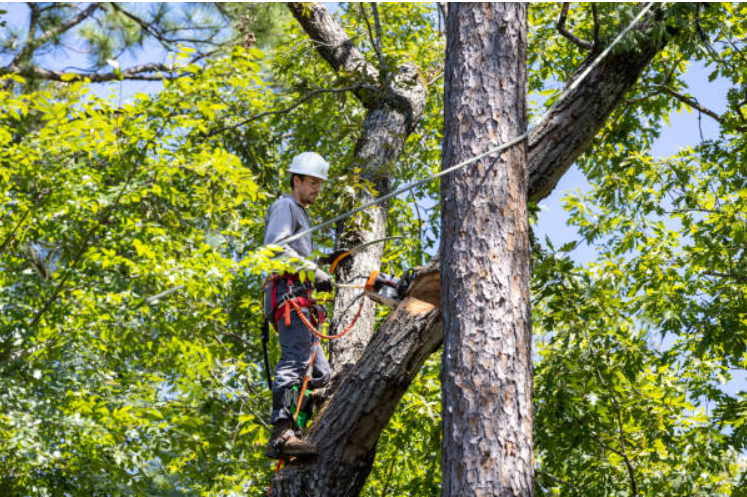
When a dangerous tree straddles a property line or threatens structures on multiple lots, the urgency doubles alongside the complexity. Families and neighbors dealing with boundary situations trust a responsive emergency tree removal Atlanta service to navigate the situation professionally, protecting everyone involved while resolving the hazard before it escalates into something far more damaging and contentious.
Property Line Trees Create Shared Responsibility and Shared Risk
To begin with, trees whose trunks originate on or near a shared property boundary occupy a legally and practically complicated position that most homeowners are unprepared to navigate without guidance. In many jurisdictions, a tree straddling a boundary line is considered shared property, meaning both neighbors have a stake in decisions about its care and removal. When that tree is declining, damaged, or structurally compromised, the shared responsibility becomes a shared liability that neither party can fully resolve through unilateral action alone.
A Falling Tree Respects No Fence Line
Furthermore, the physical reality of a large tree failure is that the debris field it creates pays no attention to where one property ends and another begins. A trunk falling in the wrong direction, a major limb dropping across a shared fence, or root upheaval that disrupts a boundary structure can cause simultaneous damage to multiple properties in a matter of seconds. Addressing a boundary tree emergency promptly and professionally is therefore an act of neighborly responsibility as much as it is an act of personal property protection.
Documentation Protects All Parties Before and After Removal
Another dimension of boundary tree situations that a professional emergency tree service handles with particular value is the documentation of conditions before any removal work begins. Photographic evidence of the tree’s visible condition, written assessment findings from a qualified arborist, and clear records of when the hazard was identified and when action was taken all serve as important protection for every party involved if insurance claims, repair disputes, or legal questions arise after the fact.
Professional Mediation Through Action Preserves Neighbor Relations
Finally, one of the less obvious but genuinely meaningful benefits of bringing a professional emergency tree service into a boundary tree situation is the way their involvement naturally depersonalizes what could otherwise become a neighbor dispute. When an objective third party assesses the hazard, documents the findings, and executes the removal according to professional standards, the conversation between neighbors shifts from a potentially adversarial negotiation about whose tree it is and who should pay for what into a shared acknowledgment of a professional assessment and a collaborative response to a mutual problem.
Conclusion: Shared Risk Demands a Swift and Professional Response
To wrap it all up, emergency tree situations that involve shared boundaries, neighboring structures, and community relationships require the same urgency as any single-property emergency with the added dimension of protecting multiple parties simultaneously. Shared legal responsibility, the indiscriminate reach of tree failure, the protective value of documentation, and the relationship-preserving role of professional involvement all make a qualified emergency tree service the most effective resource available when a dangerous tree affects more than just one address.
Recent Comments